IBNS 2026 Keynote Speakers35th Annual Meeting
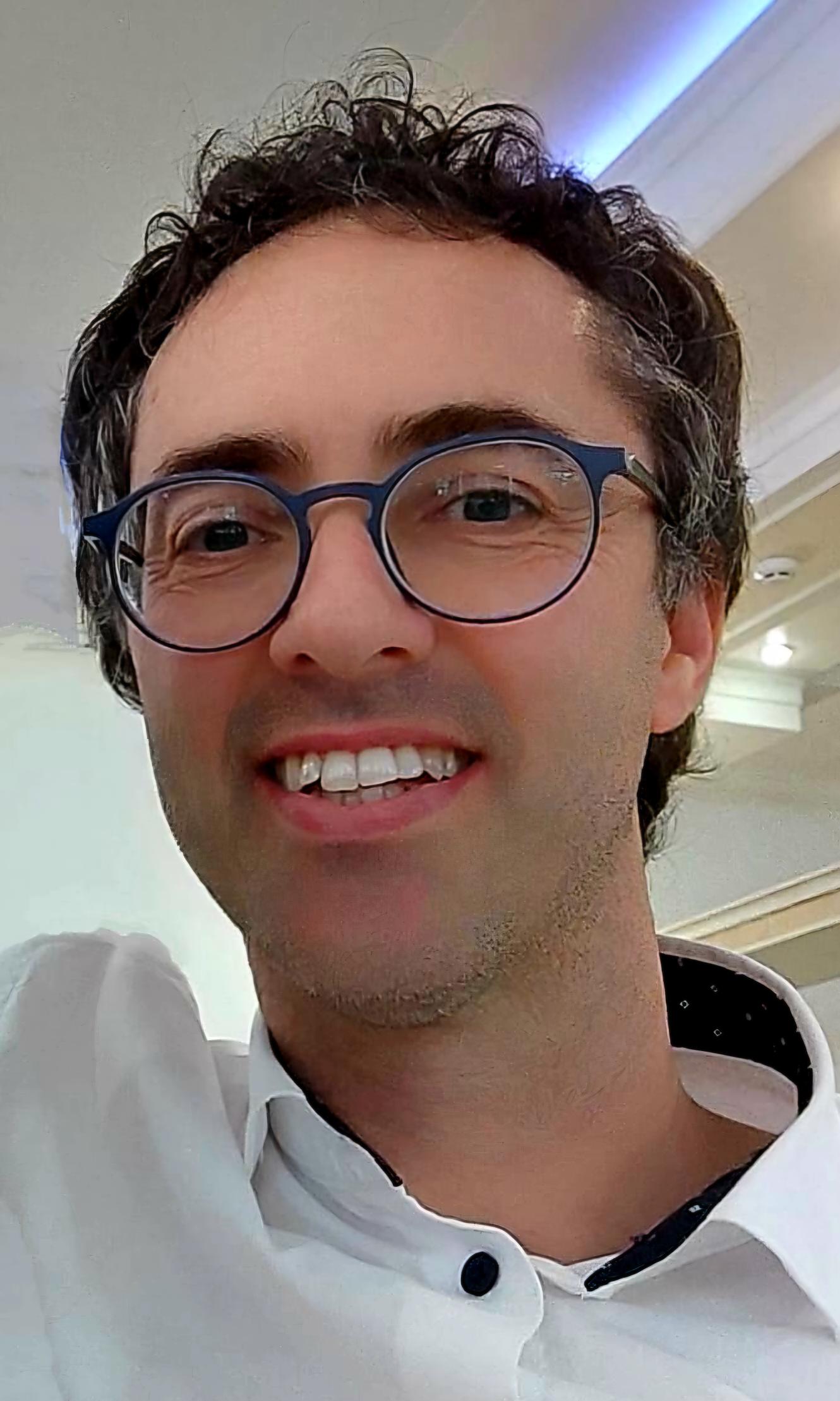
Dr. Francesco Papaleo is a tenured Senior Researcher and Group Leader of the Genetics of Cognition Laboratory at the Istituto Italiano di Tecnologia (IIT) in Genova, Italy. His research focuses on uncovering the mechanisms that underlie social and cognitive processes, and how these are altered in neurodevelopmental and psychiatric disorders. Dr. Papaleo’s laboratory employs an interdisciplinary approach that bridges genetics, behavior, and neural circuit analyses. Combining studies in genetically modified mice with parallel clinical investigations in humans, his team integrates advanced techniques such as in vivo electrophysiology, chemogenetics, optogenetics, miniendoscops, and fiber photometry to link cell- and circuit-specific mechanisms with socio-cognitive behaviors. Before establishing his independent research program at IIT, Dr. Papaleo trained at the University of Padova (Italy, 1996-2002), University of Bordeaux (France, 2002-2005) and the National Institute of Mental Health in Bethesda (USA, 2005-2010). His laboratory has made significant contributions to identifying novel genetic and neural circuit mechanisms underlying social and cognitive (dys)functions, with more than 90 publications in international journals including Nature Neuroscience, Nature Communications, Molecular Psychiatry, Biological Psychiatry, Neuron, Current Biology, Cell Reports, and PNAS. Dr. Papaleo’s research is supported by a broad network of international and national collaborations, and has been funded by the European Commission, NIH/NIMH, NARSAD, the Italian Ministry of Health, Compagnia di San Paolo, Telethon Foundation, Roche, Boehringer Ingelheim, and others.
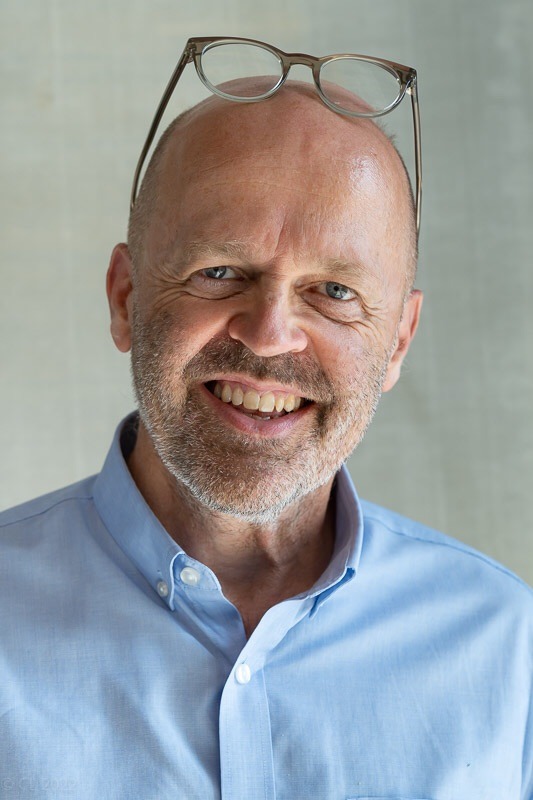
Christian Lüscher is a neurologist & full professor of neuroscience at the University of Geneva. His group’s research focuses on neural mechanisms of motivated behavior to understand the circuit alterations underlying drug addiction. The group has identified “drug-evoked synaptic plasticity” as a cellular substrate of addiction. Several projects now aim at translating the advances of circuit neuroscience to human research. Luscher is behind the idea of “optogenetically inspired deep brain stimulation” (short OptoDBS.ch), drawing blueprints for novel brain stimulation protocols based on optogenetic disease models. Christian Lüscher has published over 90 original articles, cited more than 20,000 times. His core funding comes from the Swiss National Science Foundation and the ERC (advanced grants in 2013 and 2021). He is the laureate of several prizes, including the Cloëtta Prize (2010), the Otto Naegeli Prize (2020), the Schaller Prize (2022), and the Seeburg Prize (2023). He is a member of EMBO. Christian Lüscher has mentored over 50 graduate students and postdocs, many of whom are now leading scientists in academia, industry, and administration. His trainees have been recognized with prestigious awards such as the Pfitzer Prize, Volker Henn Award, and the Science PINS Prize, a testament to his exceptional mentorship. Lüscher's commitment to nurturing the next generation of scientists is further demonstrated by his role as a member of the Swiss Academy of Medical Sciences senate and his service on numerous local, national, and international committees. He is the head of the Synapsy Center for Mental Health Research at Unige.
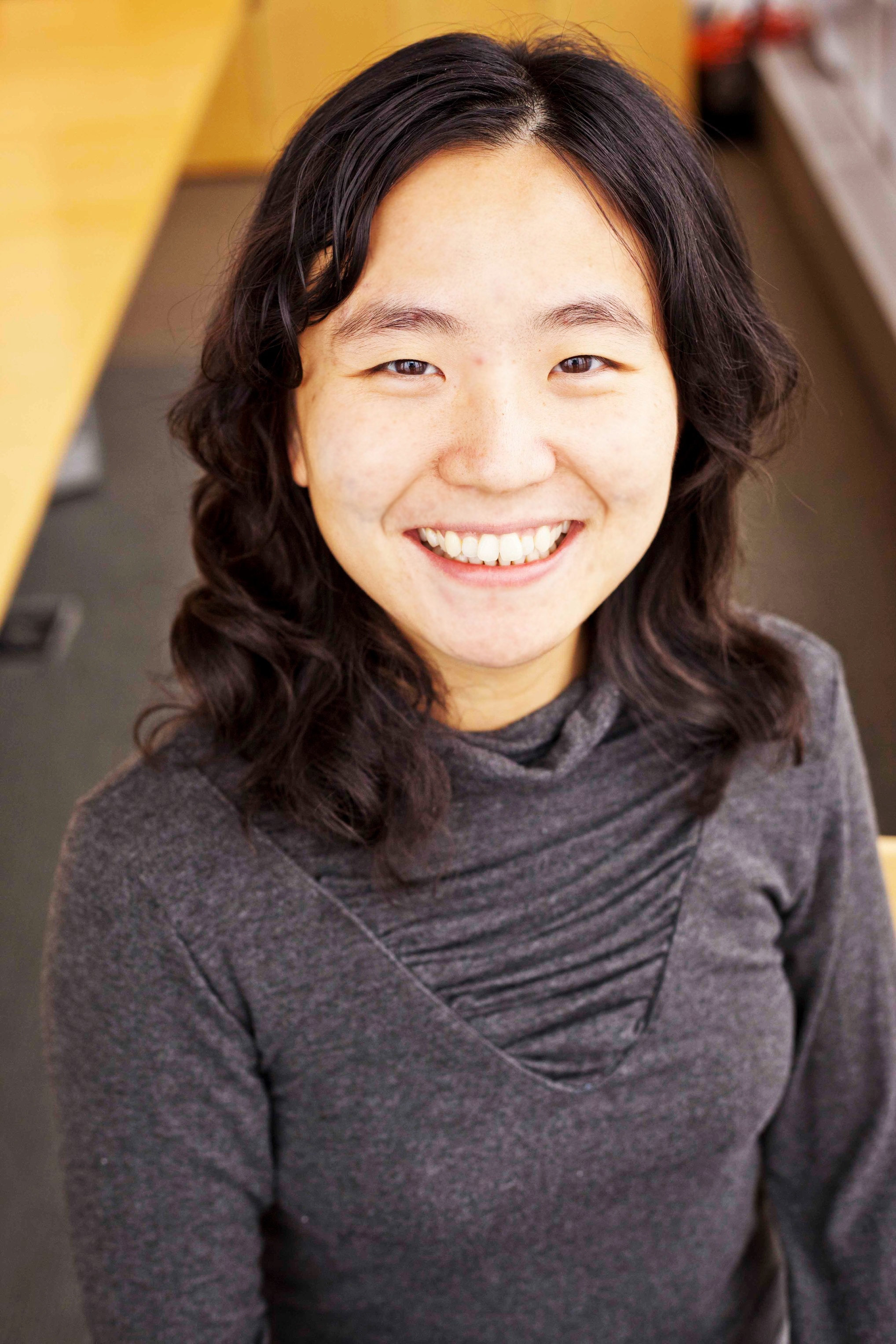
Dayu Lin, Professor in the Department of Psychiatry and the Department of Neuroscience at New York University Grossman School of Medicine, has studied the neural mechanisms underlying the generation of social behaviors, particularly aggression and parental behaviors, for the past 20 years. Her studies investigate the neural circuits that drive and modulate these behaviors, as well as the neural plasticity within these circuits that alters the behaviors in response to social experiences and reproductive states. Her works have resulted in the identification of over 10 molecularly distinct neural populations essential for aggression, social avoidance, parental care, infanticide, sexual receptivity, and predator defense. She received a B.S. in biological sciences from Fudan University in China. In 2006, she received her Ph.D. in Neurobiology from Duke University, where she worked with the late Dr. Larry Katz to investigate the neural representation of natural olfactory cues in the main olfactory bulb. She then joined Dr. David Anderson’s group at the California Institute of Technology as a postdoctoral fellow, investigating the neural substrates essential for the generation of aggression. In 2010, she established her research group in the Smilow Neuroscience Program at New York University Langone Medical Center, which later became a part of the Institute of Translational Neuroscience.
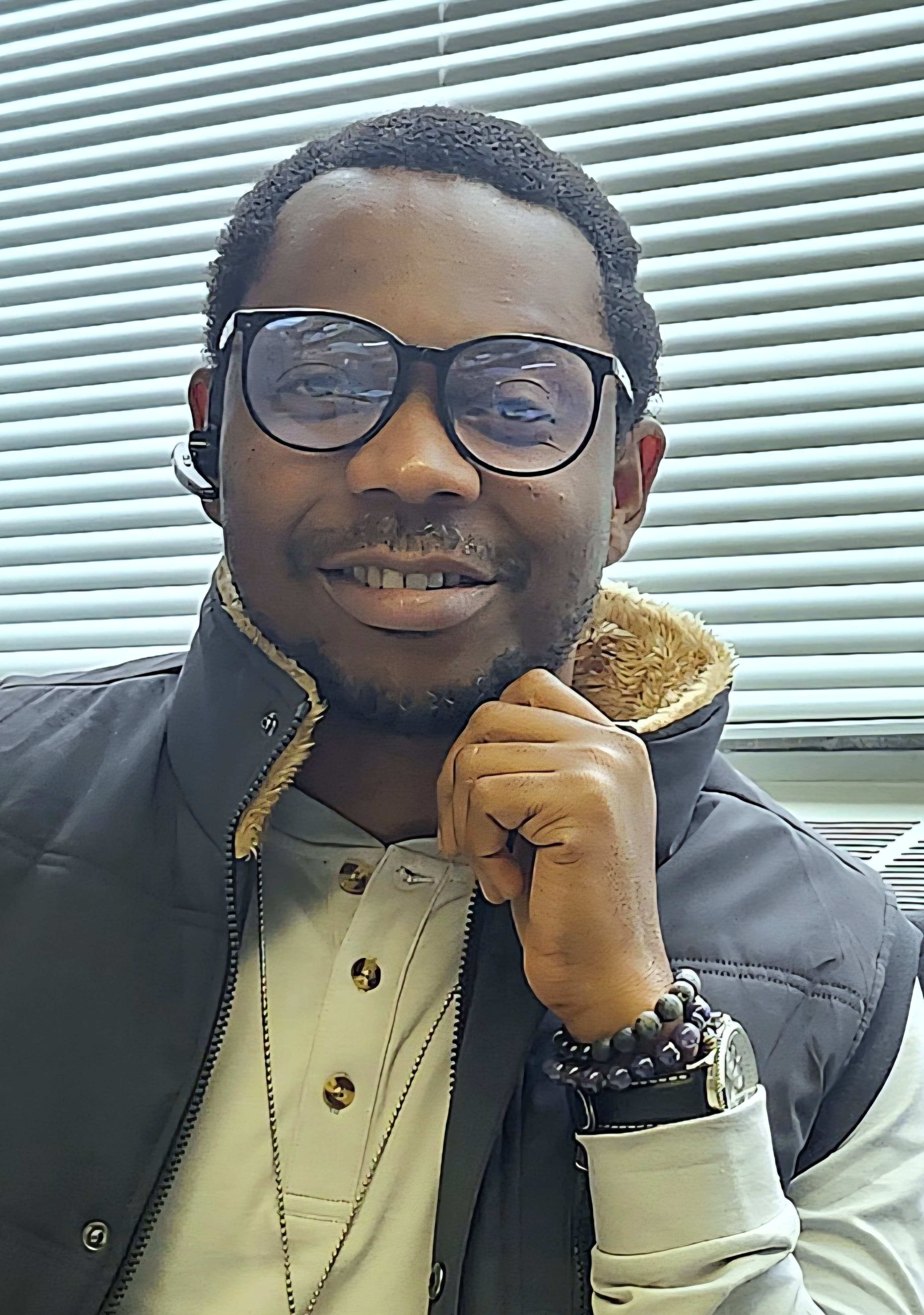
Dr. Omamuyovwi Meashack Ijomone, or simply Mamus Ijomone, is an Associate Professor (of Anatomy and Neuroscience) at the University of Medical Sciences, Ondo, Nigeria, where he leads the Laboratory for Experimental and Translational Neurobiology and is the Deputy Director of the Central Office for Research and Development. Further, he is a Visiting Assistant Professor at the Albert Einstein College of Medicine (Einstein), New York, USA. His research activities are focused on understanding how the brain is affected by an interplay of genetic and environmental factors that could cause perturbations and/or death to brain cells at critical stages of development and across the lifespan. Recent projects in his group leverage the C. elegans (worm) and rat models to investigate synaptic complexes, socio-sensory, cognitive and mechanosensory behavioural phenotypes as well as various pathophysiological pathways, with implications for brain disorders like autism. Dr. Ijomone obtained a BSc Human Anatomy (2006) at the University of Port Harcourt, Nigeria, an MSc and a PhD (2011 and 2015, respectively) at the Obafemi Awolowo University, Nigeria. He held a postdoctoral position from 2017 to 2018 at Einstein, USA. He has received several fellowships and grants, including the IBRO-ISN Research Fellowship 2017, IBRO Return Home Fellowship 2018, ISN-CAEN 1B Grants 2019 and 2021, Young IBRO Award 2019, Av-Humboldt Georg Foster Experienced Researchers Fellowship 2021, IBRO Early Career Award 2021, ISN Career Development Grant 2023, the Royal Society Colin Blakemore Bursary Award 2023, amongst others. His research activities are presently funded mainly through a 5-year NIH K43 grant (2022-2027).
|